

Purple Lenses for Concussion Headaches: Toronto Chiropractor Reveals Relief
• by Dr. Adrian Cohen
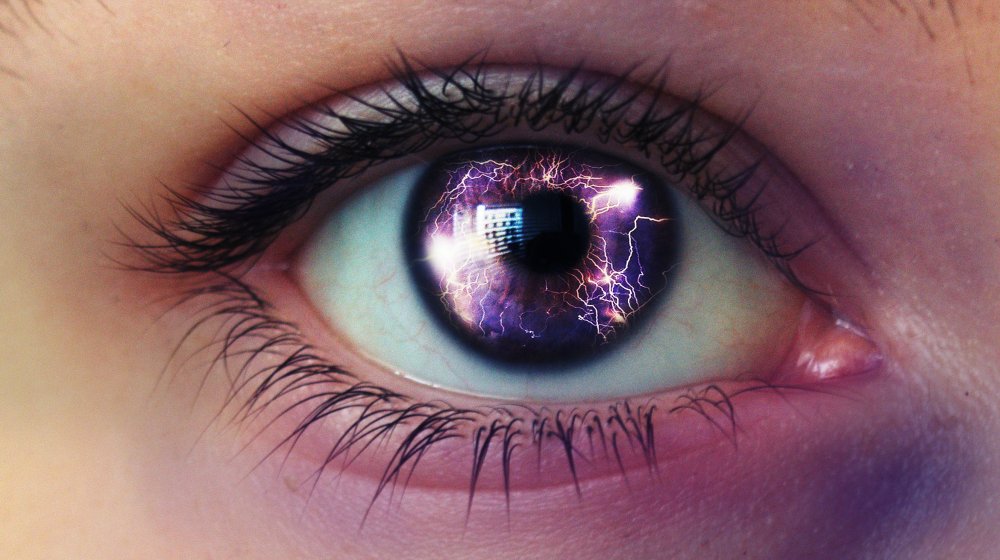
Concussion headaches plaguing you long after the injury? A surprising study found 85% of brain injury patients experienced relief using tinted lenses and purple might be the most powerful colour. Here’s why Toronto chiropractors are now prescribing specific light wavelengths to treat stubborn post-concussion symptoms.
Concussion Glasses Podcast
Key Takeaways
- Purple-tinted lenses may provide relief for concussion headache sufferers by filtering specific light wavelengths that overstimulate the brain
- Light therapy through the eyes stimulates brain function via the optic nerve, potentially improving mental clarity, balance, and reducing pain
- Toronto chiropractors are incorporating colour therapy as part of concussion treatment protocols
- Purple lenses work by targeting non-dominant brain areas and helping restore balance after head trauma
Concussion headaches can persist long after the initial injury, leaving many Toronto residents searching for relief beyond traditional painkillers. A growing body of research suggests that purple-tinted lenses might offer a surprising solution, with some studies showing significant symptom improvement in brain injury patients.
How Purple-Tinted Lenses Filter Light for Concussion Relief
Purple lenses work by filtering specific wavelengths of light that can overwhelm an already sensitised brain following a concussion. After a traumatic brain injury, the cortical regions become hypersensitive to light stimulation, creating a cascade of symptoms including severe headaches, light sensitivity, and visual disturbances. By blocking certain light frequencies while allowing others to pass through, purple lenses help reduce this cortical overstimulation.
The therapeutic effect occurs because purple lenses selectively filter blue and green light wavelengths that commonly trigger post-concussion symptoms. This selective filtering allows the brain to process visual information without the overwhelming stimulation that typically exacerbates headache pain and other neurological symptoms.
The Science Behind Eyelights and Brain Stimulation
How Ocular Light Reaches Your Brain
Light entering through the eyes travels a direct pathway to the brain’s power distribution centre, the hypothalamus. This light is then converted into electrochemical impulses that reach the pituitary and pineal glands. These glands distribute hormonal messages throughout the body’s nervous system, affecting virtually every cell and bodily function. CURE Clinic examines how this light-brain connection can be therapeutically harnessed for concussion recovery.
The eye provides one of the most direct avenues to brain stimulation, making ocular light therapy particularly effective for neurological conditions. Research suggests that our nervous system may function as both a nerve impulse conductor and an energy streaming channel, with light acting as a catalyst for cellular metabolism throughout the body.
Dr. Peter Jaillet’s Breakthrough Discovery
Board Certified Chiropractic Neurologist Dr. Peter Jaillet developed the Eyelights system after working with Olympic swimmer Lars Frolander, who experienced declining athletic performance. Dr. Jaillet discovered that light therapy delivered through portable glasses could effectively stimulate brain function, improve mental ability, balance, and vision. His research led to the creation of glasses that emit specific light pulses designed to improve neurological function.
The Eyelights system emerged from the need for portable therapy that athletes could use while travelling for competitions. Dr. Jaillet’s innovation demonstrated that targeted light stimulation could produce measurable improvements in cognitive and physical performance, laying the groundwork for therapeutic applications in brain injury recovery.
Stimulating Non-Dominant Brain Areas
Everyone has one side of the brain that functions at a higher level than the other, creating functional imbalances. Purple light therapy specifically targets the non-dominant brain hemisphere, stimulating it to become stronger and more active. This stimulation helps restore balance between brain hemispheres, which is often disrupted following a concussion.
By strengthening the weaker brain areas, purple light therapy can improve overall neurological function. This stimulation may affect neurotransmitter production, which plays crucial roles in mood regulation, focus, and pain modulation—all commonly affected by concussion injuries.
Clinical Evidence for Tinted Lenses in TBI Recovery
85% Symptom Relief in Journal Study
A clinical study published in the Journal of Athletic Training demonstrated remarkable results for tinted lens therapy in traumatic brain injury patients. The research showed that 85% of participants experienced relief from photophobia (light sensitivity) when wearing one or more colours: blue, green, red, or purple hues—after sustaining a TBI. This light sensitivity often triggers or exacerbates headaches in concussion patients.
This high success rate suggests that colour therapy addresses fundamental neurological disruptions caused by brain trauma. The study’s findings indicate that tinted lenses offer more than just comfort—they provide measurable therapeutic benefits that can dramatically improve quality of life for concussion sufferers.
Light Sensitivity and Cortical Overstimulation
Post-concussion syndrome often involves heightened sensitivity to environmental stimuli, particularly light. The damaged neural pathways become overwhelmed by normal light exposure, triggering severe headaches and other debilitating symptoms. Tinted lenses help modulate this response by reducing the intensity of specific light wavelengths that commonly trigger symptoms.
This cortical overstimulation creates a cycle where exposure to normal lighting conditions perpetuates symptoms and delays recovery. By interrupting this cycle through selective light filtering, purple lenses can provide the nervous system with the reduced stimulation needed to begin healing and restore normal function.
How a Toronto Chiropractor Uses Light Therapy
Dr. Adrian Cohen’s Approach to Focus and Pain
Dr. Adrian Cohen, a chiropractor specialising in post-concussion care, notes that violet (purple) or red coloured lenses can significantly assist with focus, concentration, and pain modulation for symptoms associated with post-concussion syndrome. His clinical observations align with research showing that specific colours can improve particular neurological functions while reducing pain perception.
The therapeutic approach involves matching specific colours to individual symptom patterns. Purple lenses particularly benefit patients experiencing severe headaches, visual disturbances, and lack of motivation—common complaints following head trauma. This targeted colour therapy helps restore normal brain function patterns disrupted by the initial injury.
Cellular Energy Restoration
Light therapy works through photobiomodulation, which increases cellular energy (ATP production) and improves metabolic processes in symptomatic areas, allowing for a fresh start in the healing process. While chiropractic adjustments restore skeletal and muscular function, many cellular disturbances may not be directly addressed through manual therapy alone. Light stimulation helps restore these cellular connections while supporting the maintenance of chiropractic adjustments.
Dysfunction often begins at the cellular level before manifesting as tissue inflammation, and eventually the physiological disturbances seen in disease patterns. By stimulating and increasing cellular energy through targeted light therapy, practitioners can address dysfunction at its source and potentially prevent further deterioration.
Complementary Concussion Care
Toronto chiropractors frequently integrate light therapy with other treatment modalities including vestibular therapy, visual rehabilitation, and postural correction. The Ontario Chiropractic Association recognises chiropractors as trusted first-line professionals in assessing, diagnosing, and managing concussions and their associated symptoms, making them well-positioned to coordinate care.
This integrated approach addresses the multiple systems typically affected by concussion injuries. Light therapy complements manual treatments by addressing neurological dysfunction while other therapies target physical symptoms, creating a more complete recovery protocol than any single treatment approach.
What to Expect from Purple Lens Treatment
Targeting Visual Disturbances and Head Trauma
Purple lenses specifically address the visual processing problems common after head injuries. Purple light therapy stimulates the optic chiasm, pituitary, and pineal glands—structures often affected by traumatic brain injuries and concussions.
Patients typically notice improvements in visual clarity, reduced eye strain, and decreased sensitivity to bright lights within the first few sessions. These improvements often correlate with reductions in headache frequency and intensity, as the visual system becomes less reactive to environmental stimuli.
Quick Relief Potential and Ongoing Use
Many patients experience some symptom relief relatively quickly, though individual responses vary based on injury severity and duration since the trauma occurred. Some report noticeable improvements in focus and headache reduction within days of beginning purple lens therapy, while others may require several weeks of consistent use to see significant benefits.
The therapy is generally well-tolerated and can be used alongside other treatments without interference. Patients often find that wearing purple lenses during computer work, reading, or other visually demanding activities provides the most noticeable relief from post-concussion symptoms.
Finding Evidence-Based Concussion Care in Toronto
When seeking concussion treatment in Toronto, look for practitioners who understand the complex nature of brain injuries and offer assessment protocols. Effective treatment often requires addressing multiple systems simultaneously, including neurological, musculoskeletal, and visual components of recovery.
Quality concussion care providers will conduct thorough evaluations that go beyond basic symptom checklists. They should assess balance, cognitive function, visual tracking, and other neurological markers to develop personalised treatment plans that may include approaches like purple lens therapy alongside traditional rehabilitation methods.
The most effective practitioners stay current with emerging research and are willing to incorporate evidence-based complementary therapies when appropriate. This integrated approach recognises that concussion recovery often requires multiple therapeutic modalities working together to address the various aspects of brain injury symptoms.
For concussion care and treatment options including colour therapy, CURE Clinic in Toronto offers evidence-based chiropractic services designed to support your recovery.